


-

Add: HeBei ShengShi HongBang Cellulose Technology CO.,LTD.
-

Email
13180486930@163.com -

CONTACT US
+86 13180486930
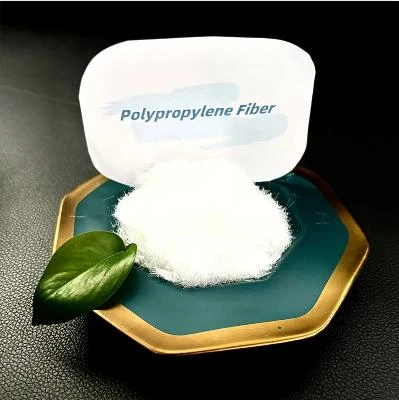
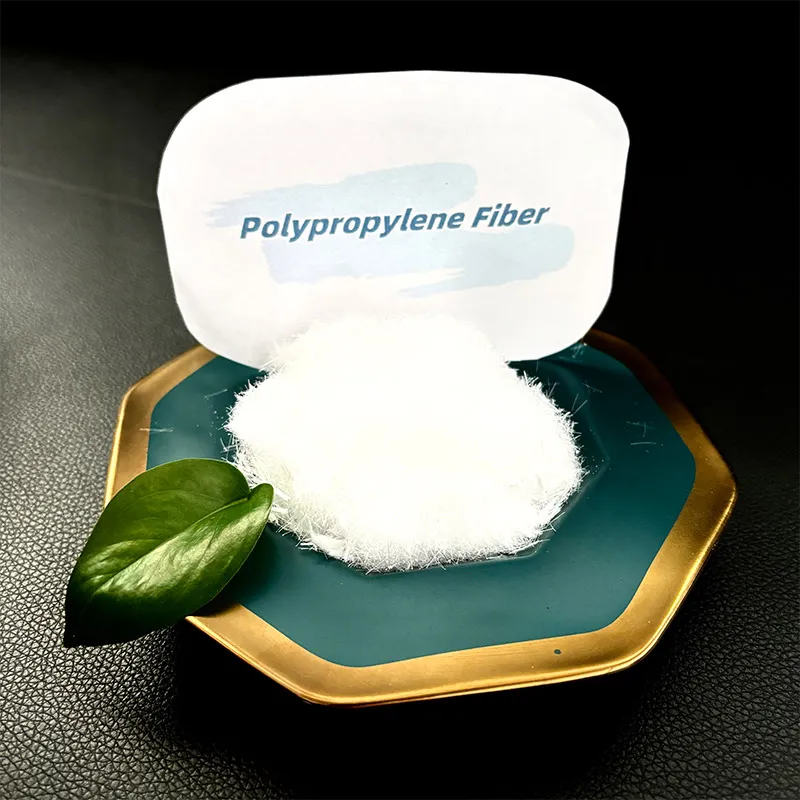

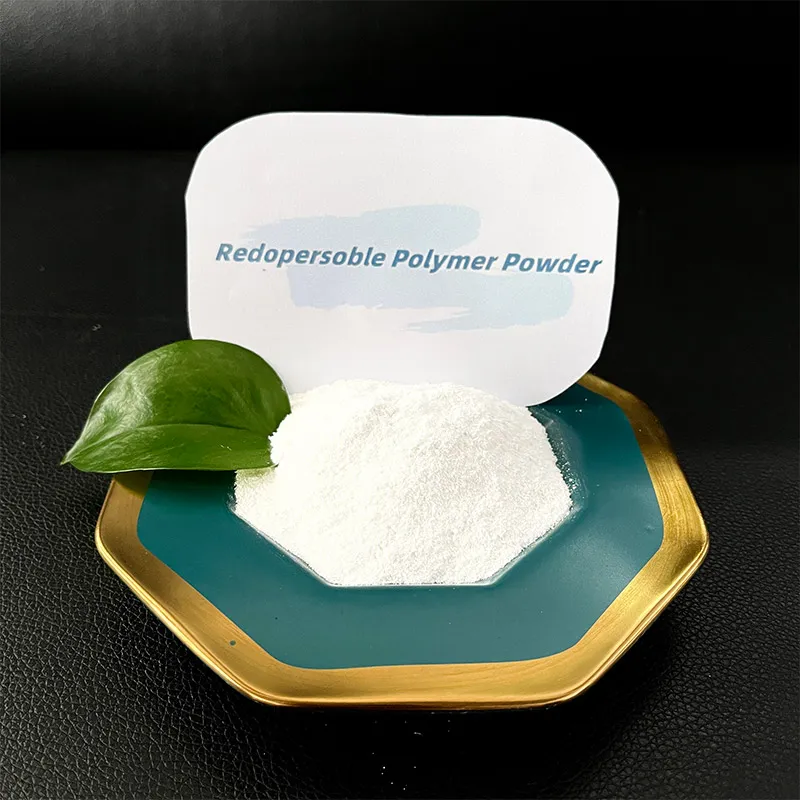

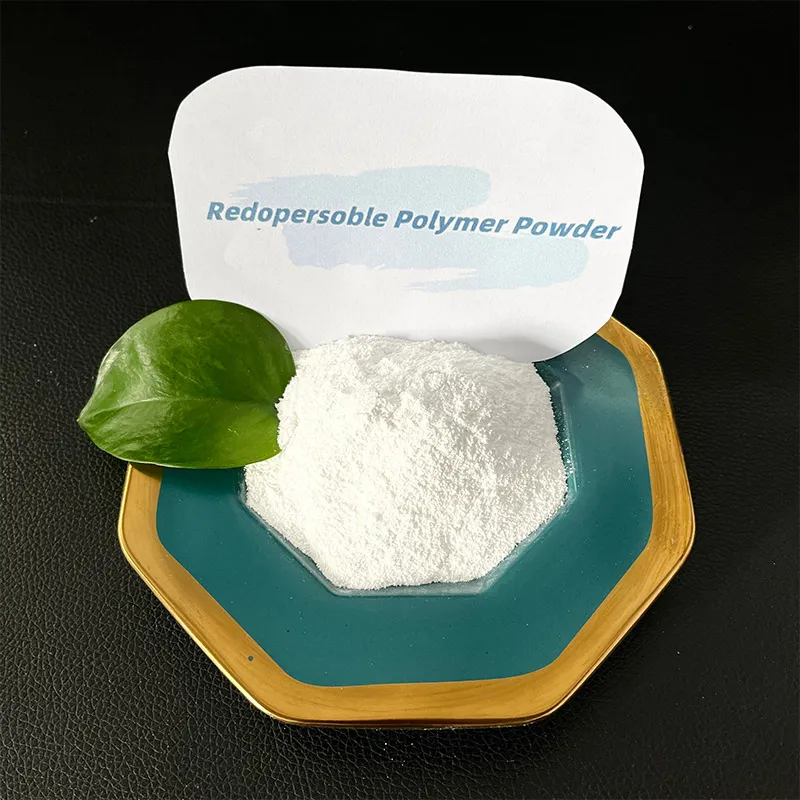


Polymer powder is a key ingredient in many industries, providing critical properties to products in construction, adhesives, coatings, and more. With its wide range of applications, polymer powder enhances the performance, durability, and flexibility of finished products. Available in various forms, polymer powder s can be tailored to meet the specific needs of different applications, making them a versatile choice for manufacturers worldwide. Whether you're working in construction, paints, or textiles, polymer powder offers the ideal solution for improving your products’ functionality. Explore Our Range of Colored Polymer Powder If you need vibrant, long-lasting colors in your products, colored polymer powder is the way to go. Whether you're producing construction materials, decorative coatings, or consumer goods, colored polymer powder offers an efficient way to introduce rich, stable colors into your products. Our premium colored polymer powder is designed to maintain its brightness and consistency, ensuring your products stand out. With a wide selection of shades, you can achieve the exact color you need while maintaining high quality and performance. The Benefits of Redispersible Polymer Powder Redispersible polymer powder is a game-changer in many industrial applications. Unlike traditional resins, redispersible polymer powder can be re-dispersed in water to create a solution, which offers greater convenience and efficiency for various processes. Widely used in adhesives, tile grout, and plaster, redispersible polymer powder enhances bonding strength, flexibility, and durability. This type of polymer powder is particularly valued in the construction and building materials sectors, providing superior performance while reducing transportation and storage costs. Discover the many benefits of using redispersible polymer powder in your formulations today. What Influences Polymer Powder Price? When considering polymer powder price , it’s important to understand the factors that affect the cost. The polymer powder price can vary depending on the type of polymer used, the quantity purchased, and the specific application for which the powder is intended. High-performance polymer powder may be priced higher due to its specialized formulations, while larger orders typically reduce the cost per unit. Additionally, polymer powder price can also depend on the presence of additives, colorants, and whether the polymer powder is customized for particular applications. To ensure you're getting the best value for your needs, always consider both the performance and the cost-effectiveness of the polymer powder price . Why Choose Our Polymer Powders for Your Business? Our polymer powder products are crafted with the highest standards of quality and performance, ensuring that your manufacturing processes run smoothly. From colored polymer powder to redispersible polymer powder , we offer a comprehensive selection that suits a wide variety of industries. Our polymer powder solutions are designed to enhance the quality of your final products, increase production efficiency, and offer cost-effective solutions for your business. With competitive polymer powder price s, we guarantee the best value for your investment. Whether you need a specialized formula or a standard polymer powder , our products are the perfect addition to your production line. Polymer Powders FAQs What is polymer powder? Polymer powder is a fine, dry material made from polymers, typically used in various industrial applications to improve the properties of products like adhesives, coatings, and construction materials. It is valued for its ability to enhance flexibility, strength, and durability in the final product. Polymer powder can come in different types, such as colored polymer powder or redispersible polymer powder , each serving specific functions depending on the industry. What is colored polymer powder used for? Colored polymer powder is primarily used to add vibrant colors to products such as construction materials, coatings, and consumer goods. The color pigments are stable and long-lasting, ensuring that the final product maintains its color over time, even under challenging conditions. It’s ideal for applications where both color and performance are important, making it perfect for industries like construction, automotive, and packaging. What is redispersible polymer powder and how is it used? Redispersible polymer powder is a special type of polymer powder that can be re-dispersed in water, forming a solution that can be easily applied in a variety of industrial processes. It’s commonly used in adhesives, tile grouts, and plaster, where it improves bonding strength, flexibility, and water resistance. The ability to re-dispense the polymer powder in water makes it a more convenient and cost-effective solution for many manufacturing processes. How does the polymer powder price vary? The polymer powder price depends on several factors, including the type of polymer used, the quantity purchased, and whether any special additives or colors are involved. Specialty redispersible polymer powder sand colored polymer powder s often come at a higher price due to their advanced formulations. Additionally, larger volume purchases can reduce the polymer powder price per unit, offering better cost-effectiveness for bulk orders. Why should I choose your polymer powders? Our polymer powder sare craftedto meet the highest standards of quality, ensuring that your products perform at their best. We offer a wide selection of colored polymer powder s and redispersible polymer powder s, all designed to enhance the durability, flexibility, and performance of your products. Our polymer powder price is competitive, offering you the best value for your investment. Whether you’re in construction, coatings, or any other industry, we have the perfect polymer powder solution for you.
- 40000tons

Production
- 20+years

Experience
- 5000+㎡

Acreage

-

Long glass fiber reinforced polypropylene is revolutionizing the way industries approach manufacturing and engineering . As a material celebrated for its impressive blend of durability, light weight, and cost-effectiveness, it is rapidly becoming the preferred choice across multiple applications. This composite brings together the robust strength of glass fibers with the versatility of polypropylene, crafting a union that excels in providing much-needed structural support while remaining significantly lighter than metals or traditional composites. The secret to its strength lies in the integration of long glass fibers, which are uniformly distributed throughout the polypropylene matrix. This uniform dispersion ensures that the resulting material is immensely strong but not at the expense of adding excessive weight. From automotive to aerospace industries, this material exhibits an unparalleled ability to absorb impact and withstand stress. Engineers value its enhanced fatigue resistance, which is critical in components such as underbody shields, front ends, and bumpers, where safety and durability are paramount. Moreover, its resistance to chemicals and environmental factors extends its lifespan, reducing maintenance costs and downtime — a crucial advantage for industries looking to optimize operational efficiency. In addition to its structural benefits, long glass fiber reinforced polypropylene is a champion of sustainability. Its production involves fewer emissions compared to metal processing, and it is fully recyclable, aligning with growing environmental regulations and expectations for industries to adopt greener practices. Companies incorporating this material are actively contributing to a more sustainable future by minimizing their ecological footprint without compromising on performance. Industries benefit not just from the superior mechanical properties but also from the versatility in design. Because the material can be molded into complex shapes with relative ease, manufacturers find new freedoms to innovate, creating products with intricate geometries that would be challenging with conventional materials. This adaptability supports a broad spectrum of applications, from high-performance sporting goods to intricate housing components in the electronics sector. long glass fiber reinforced polypropylene Furthermore, the economic advantages of long glass fiber reinforced polypropylene cannot be overlooked. Its production and application are more cost-effective than many traditional materials, enabling businesses to achieve a balance between quality and expenditure. The streamlined manufacturing processes not only reduce waste but also enhance production speed, meeting the demands of fast-moving markets without sacrificing quality. Expert insights suggest that as industries push towards lightweighting — reducing weight to improve efficiency and performance — the relevance of such advanced composite materials will continue to expand. Specialists acknowledge that the ability to reduce weight without sacrificing strength is not merely beneficial; it is essential for advancements in technology and engineering. Authoritative voices within the materials science community assert that investing in understanding and implementing these composites can give companies a cutting-edge advantage. There is a consensus that as research evolves, the potential applications will broaden, bringing about breakthroughs that might once have seemed out of reach. For a credible incorporation of long glass fiber reinforced polypropylene, it is advisable for companies to partner with experienced material suppliers and engineers who are well-versed in the nuances of this composite. Trustworthy collaborations ensure the realization of the full potential of this remarkable material, enhancing product performance while fostering innovation. In conclusion, long glass fiber reinforced polypropylene is not just a material; it is a transformative tool that is setting new benchmarks in quality and sustainability. Its extensive applications, coupled with strong environmental credentials, make it an indispensable choice for forward-thinking industries. As global challenges mount, embracing such forward-looking solutions not only positions businesses to succeed today but also prepares them for the demands of tomorrow.
-

Delving into the realm of skincare often feels like navigating a maze, replete with a plethora of ingredients scientifically engineered to enhance and rejuvenate skin. Among these, hydroxypropyl methylcellulose (HPMC) emerges as a significant player , offering transformative benefits and capturing the interest of skincare enthusiasts and professionals alike. Known commonly for its thickening properties in food and pharmaceuticals, HPMC's adaptation into skincare products underscores a fascinating intersection of science and beauty. The efficacy of HPMC in skincare is primarily rooted in its unparalleled ability to hydrate and protect the skin. By forming a protective barrier on the skin’s surface, HPMC locks in moisture, catering to those plagued by dryness and irritation. This protective layer not only prevents water loss but also shields the skin from environmental aggressors, such as pollutants and UV radiation, thereby enhancing skin resilience and appearance. Dermatologists and skincare experts frequently laud HPMC for its hypoallergenic nature. Unlike many synthetic compounds, HPMC is derived from cellulose, a natural polymer found in plant cells. This origin makes it biodegradable and generally well-tolerated by even the most sensitive skin types, addressing the growing consumer demand for both efficacy and safety in skincare formulations. Incorporating HPMC into skincare routines has shown remarkable results, especially in products designed to soothe and calm the skin. Its unique structural composition enables it to mimic the skin’s natural barrier, thereby aiding in repair processes. Products containing HPMC are thus ideal for individuals with compromised skin barriers, such as those suffering from eczema or dermatitis, where maintenance of skin integrity is paramount. For consumers seeking anti-aging benefits, HPMC offers an enticing proposition. Its moisture-retaining properties significantly contribute to plump, youthful-looking skin, helping to smooth fine lines and wrinkles. The ability of HPMC to enhance the stability and delivery of active ingredients in formulations cannot be overlooked, making it a prized ingredient in serums and creams targeting signs of aging. hydroxypropyl methylcellulose skin care The versatility of HPMC extends beyond hydration and barrier protection. Its application in skincare products often enhances the texture and spreadability of creams and lotions, which improves user experience and product application. This versatility allows formulators to create products that not only deliver effective skincare solutions but also provide a luxurious sensory touch that consumers adore. Skincare professionals, backed by clinical studies, emphasize that the inclusion of HPMC in skincare formulations is a testament to its multifunctional advantages. Moreover, its compatibility with a wide range of ingredients facilitates active synergy, enhancing the overall efficacy of the formulation. This adaptability ensures that HPMC-enriched products can be tailored to specific skincare needs, be it hyperpigmentation, uneven texture, or basic hydration. Trust in HPMC-infused skincare comes from years of insightful research and development. Reputable brands relying on evidence-based science continue to innovate with HPMC, bringing forth products that embody expertise in formulation and meticulous attention to consumer safety. Transparency in formulation and an unwavering commitment to quality assure consumers of the credibility and authority of HPMC-based skincare products. Ultimately, as awareness and understanding of ingredient profiles grow among consumers, the appreciation for HPMC in skincare is likely to escalate. Seen as a bridge between scientific precision and natural efficacy, HPMC carves a niche in the ever-evolving landscape of skincare. For those embarking on a skincare journey prioritizing hydration, protection, and skin health, products featuring hydroxypropyl methylcellulose present a compelling choice, blending innovation with reliable skincare benefits.
advantages
-

200000 Viscosities
Excellent product
We can produce pure products up to 200,000 viscosities
-

40000 tons
High yield
We don’t stop production all year round, and the annual output can reach 40,000 tons
-

24 hours
Quality service
We provide 24-hours online reception service, welcome to consult at any time
———— Inquiry Form
Schedule A services


-
 gentamicin_with_hpmc_eye_or_ear_drops
Oct . 25, 2025
Methyl hydroxyethyl cellulose (MHEC) is a versatile polymer that is widely used across various indus -
 hpmc_2910_viscosity
Oct . 25, 2025
Natural rubber powder, an innovative material derived from natural rubber, is rapidly gaining attent -
 vinyon_fiber
Oct . 25, 2025
Retained eye comfort is often a top priority for individuals dealing with dry eyes. Among the myriad


